- What Qualifies as Emergency Maintenance
- The Difference Between Emergencies and Routine Repairs
- When to Call Your Property Manager Versus a Contractor
- The Response Timeline for Emergency Maintenance
- Common Milwaukee Emergencies and How to Handle Them
- Prevention: The Best Emergency Response
- The Importance of Documenting Everything
- Bottom Line
- Frequently Asked Questions
- A true emergency threatens health, safety, or property integrity and requires immediate response, while routine repairs can wait.
- No heat in winter, burst pipes, gas leaks, electrical hazards, and active roof leaks are emergencies; minor plumbing issues and cosmetic repairs are not.
- Establish clear communication with your property manager about emergency procedures, repair approval thresholds, and after-hours contacts.
- Document every maintenance request with photos and timestamps to create a record of the issue and response.
If you own a rental property in Milwaukee and have never managed one before, the middle of the night is not when you want to decide whether a maintenance issue is an emergency. A first-time landlord may constantly wonder: Is this actually an emergency?
The distinction matters. Ignoring a genuine emergency can expose you to liability, property damage, and potential legal issues. Knowing the difference between emergency and routine maintenance helps protect your investment and cash flow.
RENOSY by Renters Warehouse Milwaukee serves rental owners throughout Southeastern Wisconsin. This guide explains what qualifies as an emergency, how to respond, and how proactive maintenance can prevent many urgent repairs.
Speak with our experts today!
What Qualifies as Emergency Maintenance
An emergency is generally a condition that poses an immediate risk to health, safety, or property. It requires action within hours rather than days.
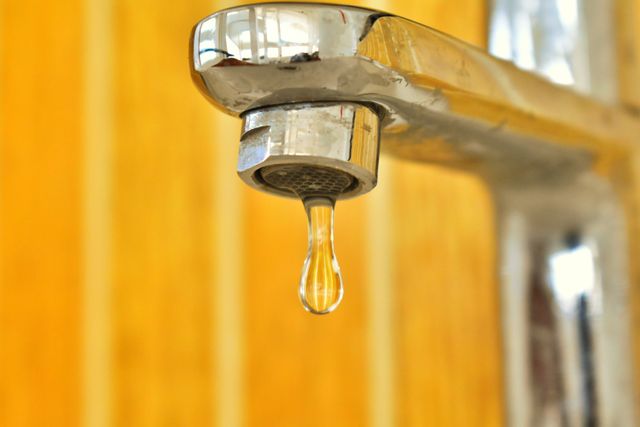
Routine issues can usually wait. A dripping faucet that can be contained, squeaky door, peeling paint, broken window blind, slow drain, or minor cosmetic issue may need attention, but does not typically require a midnight contractor call.
The Difference Between Emergencies and Routine Repairs
The distinction often comes down to risk. Ask:
- Could the problem become significantly worse within the next 24 hours?
- Does it create a health or safety hazard?
- Could it cause substantial property damage?
- Can the resident safely remain in the property while waiting for repairs?
No heat during a Milwaukee winter is an emergency. A heating problem discovered during summer is generally a repair that should be addressed before the next heating season.
A burst pipe flooding the kitchen requires immediate action. A slow drip under a sink that can safely be contained can usually wait until the next business day.
Similarly, an active roof leak during heavy rain requires urgent attention, while an old ceiling stain from a leak that has already stopped can be scheduled for inspection and repair.
Electrical sparking, smoke, or burning odors from an outlet or panel should be treated as an emergency, while a faulty light switch may not be.
When to Call Your Property Manager Versus a Contractor
If you self-manage, establish a clear emergency protocol and maintain a list of reliable contractors before problems occur. Tenants should know which issues require immediate contact and which can be submitted during normal business hours.

If a property manager handles maintenance, clarify the process before signing an agreement. Ask who receives after-hours calls, how emergencies are verified, which contractors are used, and how repair costs are approved.
Speak with our experts today!
The Response Timeline for Emergency Maintenance
Emergency maintenance should be handled promptly because delays can increase the risk of injury or property damage and should not wait until convenient business hours. Routine repairs can generally be scheduled based on their severity and availability. The important distinction is whether delaying the repair creates an immediate health, safety, habitability, or property-damage concern.
Property owners working with a manager should ask about emergency response procedures, after-hours contacts, contractor availability, and owner approval requirements before an emergency occurs.
Common Milwaukee Emergencies and How to Handle Them
Milwaukee's older housing stock and cold winters can create recurring maintenance challenges. Owners should know how to respond to several common emergencies.
No Heat in Winter
A loss of heat during cold weather requires immediate attention. Contact an HVAC contractor or property manager and arrange for the heating system to be evaluated as quickly as possible. Preventive furnace inspections and servicing before winter can reduce the risk of unexpected failures.
Burst Pipes
If a pipe bursts or water is rapidly entering the property, shut off the main water supply if it can be done safely and contact a plumber immediately.
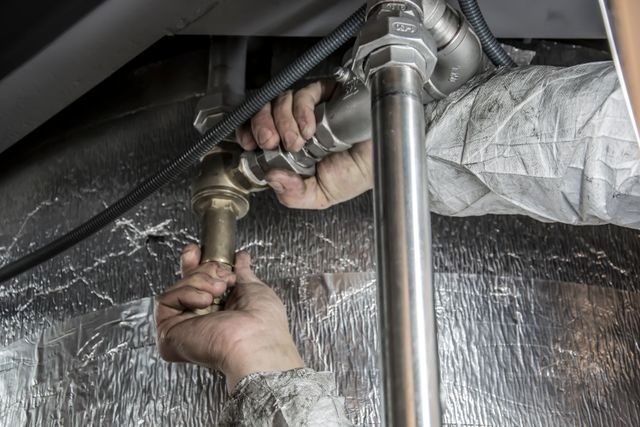
Document the damage with photographs and notify your property manager or insurance provider as appropriate.
Roof Leaks
Water actively entering a rental property during a storm can cause significant interior damage. Contact a qualified roofer to identify the source and make a temporary repair when possible. A permanent repair can follow once conditions allow.
Gas Smell
If a tenant reports smelling gas, they should leave the property immediately and contact the appropriate gas utility emergency service from a safe location. They should not use flames or operate electrical switches that could create a spark. You may need to notify the property manager as appropriate.
Electrical Hazards
Sparking, smoke, burning odors, exposed wiring, or other serious electrical problems require prompt attention from a qualified electrician. Do not ask an unqualified person to investigate or repair a potentially dangerous electrical system.
No Water
A complete loss of running water can affect essential functions of the property and may require urgent plumbing attention. Determine whether the issue is isolated to the property or related to a broader utility problem, then contact the appropriate plumber or property manager.
Sewage Backup
Sewage backing up into a rental unit creates a serious sanitation concern and requires prompt professional attention. Contact a qualified plumber or remediation professional and keep residents away from contaminated areas until they can be safely addressed.
Locked Out
A tenant lockout is urgent but is not normally a health or safety emergency.
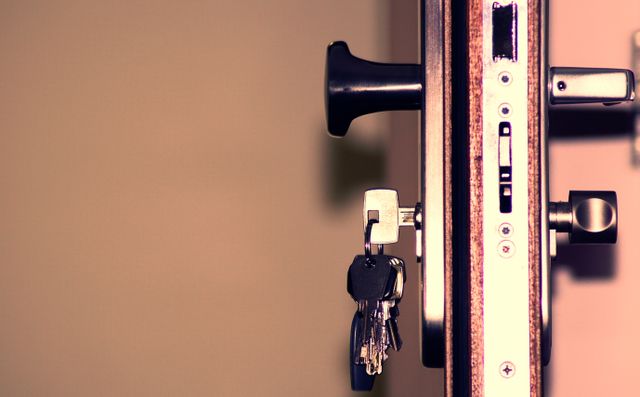
Establish a policy in advance for lockouts, including whether tenants are responsible for locksmith costs and how after-hours requests are handled.
Prevention: The Best Emergency Response
The best emergency maintenance strategy is prevention.
Schedule furnace inspections before winter, inspect roofs and gutters, test sump pumps before spring thaw, protect exposed pipes from freezing, check water heaters, and address damaged windows or doors.
Owners should also maintain a list of trusted contractors and verify their qualifications and after-hours availability before an emergency occurs.
If you work with a property manager, ask about preventive maintenance. Find out whether the company conducts inspections, tracks maintenance history, monitors recurring problems, and coordinates seasonal servicing.
For older Milwaukee properties, owners should also understand their responsibilities regarding lead-based paint and follow applicable federal and Wisconsin requirements.
The Importance of Documenting Everything
Every maintenance request, urgent or routine, should be documented. Keep photographs, dates and times of reports, inspection records, contractor communications, invoices, and repair documentation.
Good records provide a history of the property's condition and maintenance costs. They can also help owners demonstrate that reported problems were addressed, identify recurring issues, and plan for future repairs or replacements.
Bottom Line
Emergency maintenance involves problems that threaten health, safety, habitability, or property integrity and require prompt action. For Milwaukee rental properties, winter weather and older housing systems make preventive maintenance especially important.
Establish emergency procedures, maintain reliable contractor contacts, document repairs, and clarify your property manager's response process before an emergency occurs. RENOSY by Renters Warehouse Milwaukee is here to help with that!
Speak with our experts today!
Frequently Asked Questions
How Can Diligent Maintenance Protect Cash Flow?
Proactive maintenance can help prevent minor problems from becoming expensive emergencies. Regular inspections,and maintenance can identify issues before they require after-hours contractors or extensive restoration. Preventive maintenance can also help owners budget for repairs and reduce unexpected expenses.
What are the Benefits of Working with a Professional Property Management Company?
A professional property management company can coordinate routine maintenance, preventive inspections, and emergency repairs so owners do not have to manage every issue themselves. At RENOSY, we help coordinate maintenance through qualified vendors and provide emergency repair support. Owners can also access maintenance and financial information through the company's reporting systems.
Are Fair Housing and Property Maintenance Connected?
Yes. Maintenance requests should be prioritized by severity of the issue and potential health and safety risks, not by assumptions about a resident. Written procedures and detailed maintenance records can help owners apply standards consistently across their properties.
Should Owners Give Tenants Specific Instructions for Emergency Maintenance?
Yes. A written emergency maintenance policy helps tenants understand which problems require immediate attention and how to report them outside of business hours. Owners should provide clear instructions for potential emergencies while explaining how to submit routine repairs.
What Maintenance Records Should Rental Property Owners Keep?
Owners should keep maintenance requests, photographs, inspection reports, contractor communications, invoices, and records of completed repairs. A detailed maintenance history can help track property expenses, identify recurring problems, plan for major replacements, and demonstrate that reported issues were addressed appropriately.
